The Refund Trap: How “Big Refund” Tax Prep Marketing Turns Taxpayers Into IRS Audit Targets
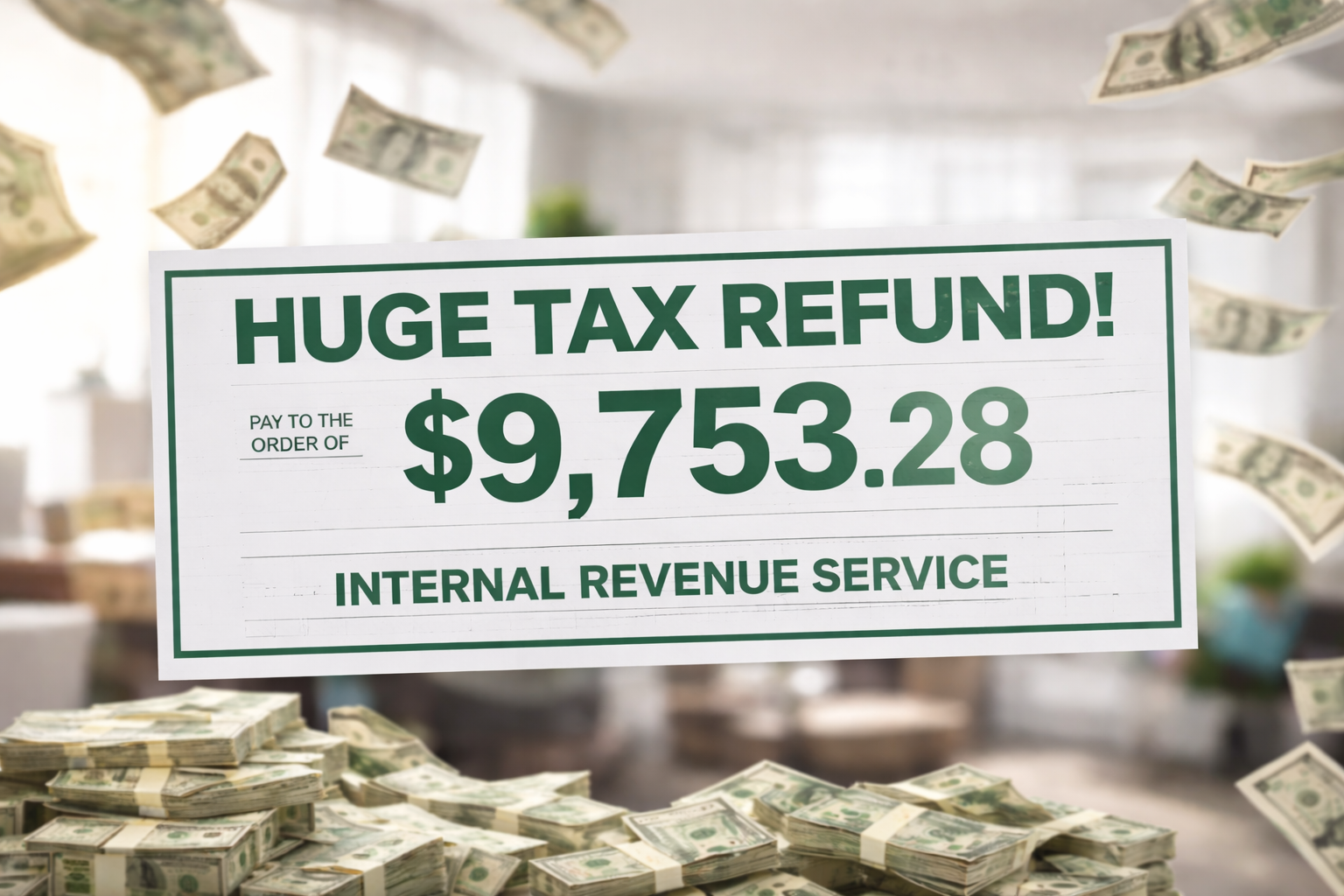
The “Big Refund” trap from tax preparers results in the inevitable audit
Every tax season, taxpayers are bombarded with ads promising “big refunds,” “same day cash,” or “up to $6,000 back.” These storefront tax preparation offices and pop‑up refund shops sell speed and refund size, not accuracy. Time and time again, taxpayers fall for the marketing—only to become victims one or two years later, when the IRS audits the return and demands repayment.
These operations often function as refund mills, prioritizing volume over compliance. The IRS considers this type of conduct return preparer misconduct, which can lead to civil penalties, preparer injunctions, and even criminal prosecution. Unfortunately, even when the preparer acts improperly, the taxpayer remains legally responsible for the return they signed (IRS Publication 17).
Inflated Schedule C Income and Manufactured Refunds
One of the most common tactics used to inflate refunds is the creation or exaggeration of Schedule C self‑employment income. Taxpayers who have never operated a business may suddenly appear as rideshare drivers, hair stylists, babysitters, or cash based entrepreneurs on paper. This is often done to generate “earned income” necessary to qualify for refundable credits like the Earned Income Tax Credit (EITC).
Filing a return with false income or deductions violates IRC §7206(1), which makes it a felony to willfully file a false return. While criminal penalties are usually pursued against preparers, the IRS will still assess tax, penalties, and interest against the taxpayer.
Earned Income Credit Abuse and False Deductions
The EITC is heavily audited due to widespread abuse. Improper claims may include listing ineligible dependents, manipulating income to reach the most favorable credit range, or using false Schedule C income to manufacture eligibility. Under IRC §32(k), taxpayers can be barred from claiming the EITC for two years, or ten years in cases of fraud. The IRS may also assess a 20% accuracy‑related penalty under IRC §6662.
In more severe cases, fabricated deductions or credits such as false charitable contributions or education credits can trigger the civil fraud penalty under IRC §6663, equal to 75% of the underpayment, in addition to full repayment and interest.
Refund Advances and Delayed Consequences
Refund anticipation loans or “same day cash advances” often distract taxpayers from reviewing their returns. Once the money is received, attention shifts away from accuracy. When the IRS later audits and disallows the refund often 12 to 24 months later the taxpayer is left responsible for repayment, penalties, and professional representation costs.
The IRS routinely initiates these audits through notices such as CP75, Letter 566, or a Notice of Deficiency.
The IRS Will Not Accept “Blame the Preparer”
A common misconception is that taxpayers can avoid liability by blaming the preparer. The IRS is clear: taxpayers are responsible for the accuracy of their returns, even when prepared by someone else (IRS Publication 17). While complaints may be filed using Form 14157 or Form 3949‑A, these do not eliminate the tax owed.
Final Thoughts: Be Cautious With Refund Promises
A refund based on inflated income or fabricated deductions is not free money it is a delayed IRS problem. Legitimate tax professionals do not promise refund amounts in advance, invent businesses, or rush filings for the sake of speed. When the IRS comes back for repayment, it will not be the preparer answering the letter. It will be the taxpayer.